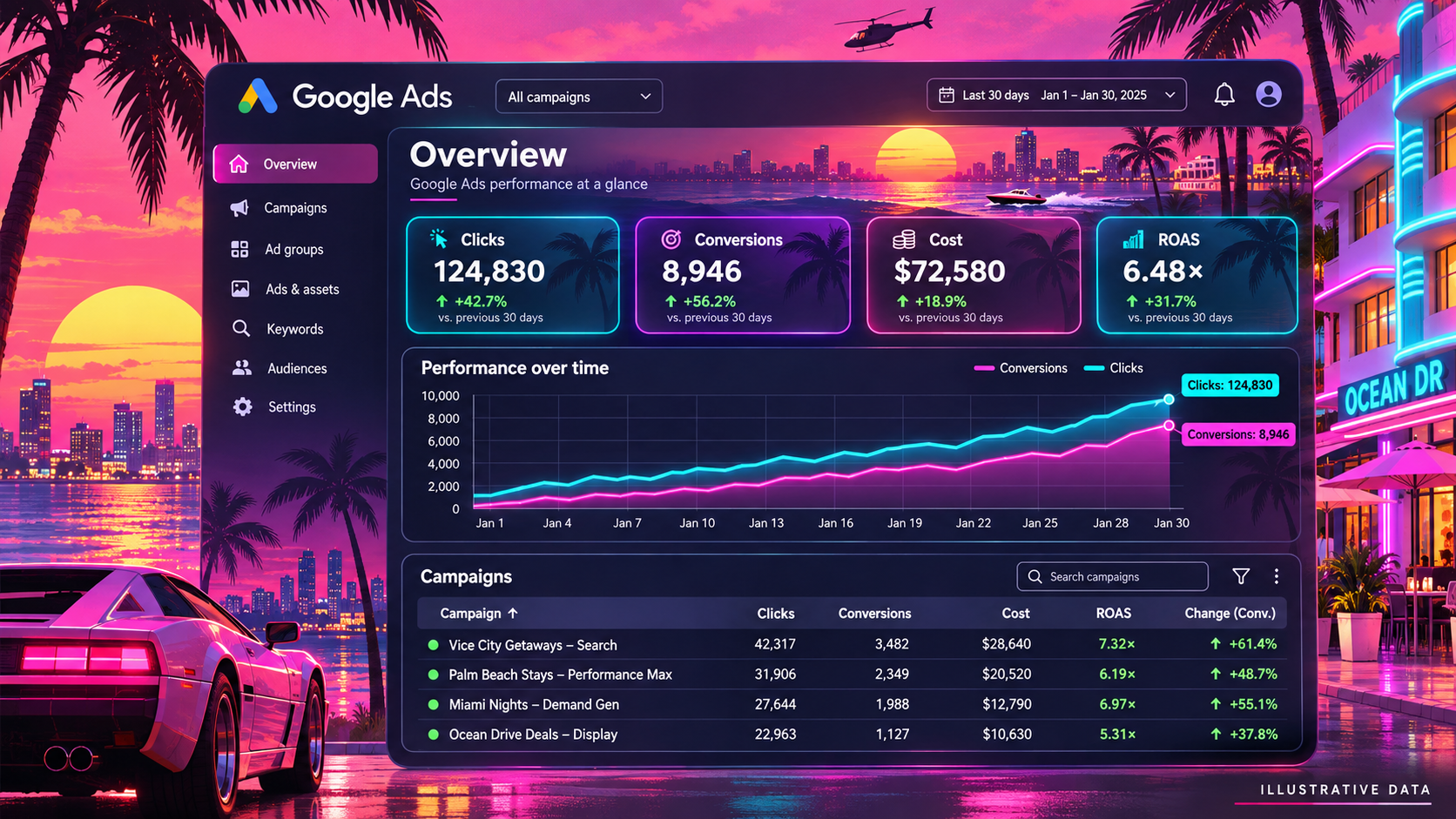
QA HIGHER EDUCATION · GOOGLE ADS · SEPT 2026 VS 2025
31.4%increase in click-through rate
View case study

QA HIGHER EDUCATION · GOOGLE ADS · SEPT 2026 VS 2025
31.4%increase in click-through rate
View case study“Luke developed a new strategy for us, performance has been strong, particularly our ROAS.”




Pay Per Click (PPC)
We plan paid search around the service a customer is looking for and what your business can realistically provide. Initial discussions establish the enquiries worth pursuing and the areas you cover. Search themes, advert messages and destination pages are developed from that brief. As the account produces evidence, we discuss its implications with your team and identify changes that address a useful business question.

Search Engine Optimisation (SEO)
We investigate what potential customers are trying to understand and whether the website gives those questions suitable answers. Technical discovery and content research identify practical work, with staff knowledge supplying accurate detail about the offer. Recommendations explain the issue and implementation requirements. The programme develops through reviews of what has changed and what the available observations suggest should receive attention next.

Paid Social Media
We help businesses introduce an offer through social advertising with clear messages and appropriate visual material. The audience and creative approach are considered alongside the website information people will reach afterwards. Planned variations investigate a particular choice in that introduction. Feedback about the interest received helps your team interpret account activity and decide whether further development would serve a practical marketing purpose.

Web Design
We develop website design around the information a customer needs before deciding to enquire. Real service copy and useful examples help staff assess the structure and presentation together. The journey should remain understandable as visitors move between related information and contact options. Mobile checks and publishing responsibilities form part of the project, supporting a site that works for customers and its day-to-day managers.

Web Development
We establish the practical requirement before implementing a website function. The discussion covers intended actions, relevant information, connected systems and the situations your staff need to handle. A defined brief makes representative testing more meaningful. Reviewing those situations during development helps assess the result, while handover explains normal management responsibilities and dependencies that affect how future requests should be approached.

Data Analysis
We assess marketing information in relation to a decision your team is facing. Understanding how records are collected and what they represent helps establish the limits of a comparison. Staff observations provide useful context about the response and operating circumstances. Findings explain the supported implications and the remaining questions, so you can prioritise an improvement or the investigation needed to decide what to do.
Google Ads
We develop Google Ads from a clear offer and relevant customer search requirements. Campaign structure brings suitable themes and exclusions together with adverts and destination information. The service areas you confirm guide targeting. Reviews consider actual search activity and the response received, helping the team identify where a change could improve relevance or clarify the contribution advertising makes to the business.
Microsoft Ads
We agree what the business wants to learn or achieve through Microsoft Ads before setting campaign scope. Relevant services provide the basis for messages, targeting and suitable website information. The review brings spending and recorded responses together with available enquiry feedback. Recommendations explain the observations and what a further test should establish before decisions are made about extending activity.
Paid Social Media
We work on the explanation a person needs when encountering your offer in a social feed. Creative material and audience choices should make that introduction understandable, with relevant detail available on the destination page. Tests address a specific decision about the journey. Reviewing resulting interest with staff helps connect platform activity to the response the business can use and identify what deserves further attention.
Campaign Management
We keep account work focused by agreeing the questions a campaign review needs to answer. Search relevance, expenditure and response patterns are considered in relation to current priorities. An adjustment has an explained reason and an identifiable basis for later assessment. Staff experience of enquiry handling and capacity helps interpret the findings, making management decisions easier to discuss in commercial context.
Landing Page Improvements
We examine the information people reach after clicking an advert and the expectation that brought them there. Clear service scope, relevant examples and an appropriate contact route help visitors evaluate the offer. Staff feedback can identify questions the current page leaves open. Changes address those gaps, with realistic mobile and desktop tasks helping assess whether the new journey supports the intended decision.
Enquiry Tracking and Reporting
We clarify the stages represented in your advertising and enquiry records. A form submission, an opportunity assessed by staff and completed work each answer different questions about performance. Collection gaps and repeated activity need consideration before figures are compared. Reporting explains the evidence available at each stage, giving your team a clearer basis for discussing campaign activity and the limits of the conclusions drawn.

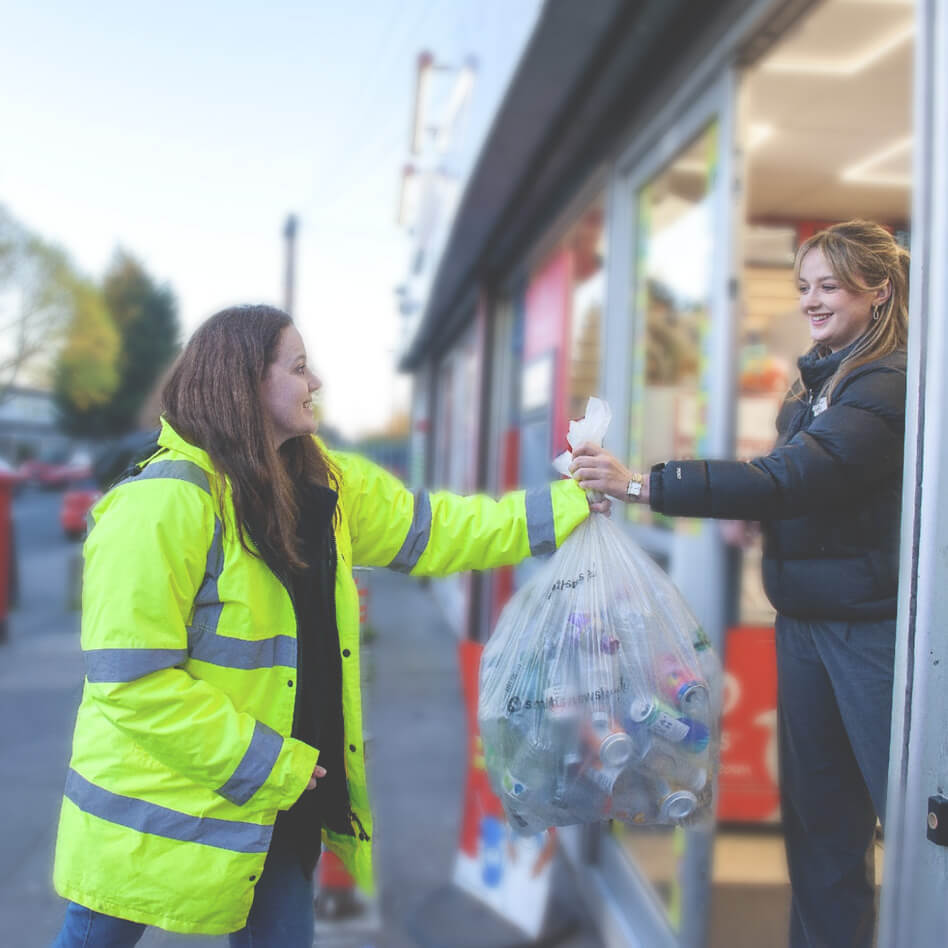
Smiths News Recycle case study
Smiths News Recycle needed an online journey that explained its collection offer and supported straightforward ordering. We developed service information and website journeys, improved the measurement of useful actions and addressed technical SEO requirements as the site established its search presence.
The published early results report 38% more organic sessions, 6% more engaged organic sessions and 11% more organic events month on month, plus improved rankings for 13 tracked keywords. Calendar dates are not stated. Events are website actions, not completed orders. These wider website and SEO outcomes are not results for Knowsley or Leyland individually.
More organic sessions month on month
More engaged organic sessions month on month
More organic events month on month
Tracked keywords with improved rankings



Technical SEO
We investigate technical arrangements affecting important pages and the information they provide. Crawling, indexing and internal connections help reveal obstacles that deserve practical work. Recommendations explain the issue, required contributions and a way to assess implementation. Returning to the original findings afterwards makes progress understandable and helps staff decide whether an unresolved question needs attention before another priority is pursued.
Service Page Content
We develop pages from the practical information customers need to judge a service. Staff establish its scope and relevant conditions, while research highlights questions not answered by the existing content. A clear topic structure and suitable supporting connections make the explanation easier to investigate. Agreed ownership for review helps keep it accurate when the offer, availability or delivery process changes.
Local Search Visibility
We plan location content from genuine availability and dependable contact information for businesses serving Leyland. Confirmed premises and coverage establish what the website can accurately explain. Customer questions help identify practical distinctions that deserve more detail. This supports a useful local search presence without suggesting an unverified town office, a local team or service arrangements the business has not confirmed.
Answer Engine Optimisation
We help create answers with enough context for readers to understand when the explanation applies. Appropriate contributors and references support the substance, while necessary qualifications stay close to the point being made. Related detail provides a route for further investigation. A practical review process helps maintain accurate material for people and discovery systems without promising how an external platform will use it.
Expert Content and Trust
We work with suitable staff to develop explanations and examples that help people assess your offer. Useful material describes the relevant circumstances and reasoning, with limitations included where they affect interpretation. Attribution and supporting detail make knowledge easier to evaluate. Agreeing a manageable review responsibility helps maintain dependable guidance as the services and the team’s practical experience develop.
SEO Measurement
We assess search work in relation to its intended purpose and the observations that can help explain progress. Website activity and enquiry feedback add context to search information. Changes in collection or definitions are considered before comparisons are interpreted. Findings describe what the evidence suggests and what remains uncertain, guiding a focused next priority for content, technical work or further investigation.









Website Strategy
We establish the website’s priorities by discussing what customers need to learn and which tasks the business needs it to support. Services, visitor actions and staff publishing responsibilities inform the brief. Contributions and dependencies are identified before delivery decisions are made. The brief provides a useful reference for assessing proposals and considering how additional requirements relate to the intended project.
Clear Service Pages
We use realistic content in design reviews so staff can assess whether a page explains the offer properly. Service scope, supporting information and response options should follow a coherent order. Shared page components can organise related services while preserving the details that distinguish them. This supports customer investigation and gives the publishing team practical arrangements for keeping information consistent and useful.
Mobile User Experience
We review the website at narrow widths by following representative customer actions. People should be able to find service details, read important conditions and use contact controls with the real content in place. Specific difficulties are investigated during development. Repeating those tasks after changes gives staff a direct way to assess whether the intended improvement has been delivered.
WordPress Development
We plan WordPress implementation around the functionality and editing tasks the website must accommodate. Relevant system connections and management responsibilities help define the components needed. Staff can assess representative updates during development, giving practical feedback about everyday use. Handover explains normal responsibilities and dependencies, supporting routine publishing and a clearer discussion when new requests require work outside the existing setup.
Speed and Performance
We investigate performance issues where they affect useful pages and customer actions. Loading behaviour, content and necessary functionality are considered when deciding what to improve. Recommendations describe their purpose and the requirements for implementation. Checking the affected experience afterwards helps assess the result and gives your team context for choosing whether another issue should become a priority.
Conversion and Ongoing Support
We help turn feedback, service changes and staff requirements into defined website work. The intended outcome and contributions needed establish a practical scope within the support arrangements agreed. Delivery dependencies help determine priority. Reviewing the result against that purpose keeps the process understandable and gives the business a workable basis for deciding how the site should develop next.

Get in touch with us and we’ll get back to you ASAP!
Get in touch today and one of our experienced team will arrange a call to discuss your requirements. Take advantage of our free strategy consultation to help you understand our services and how we can help you grow.
GET IN TOUCH